
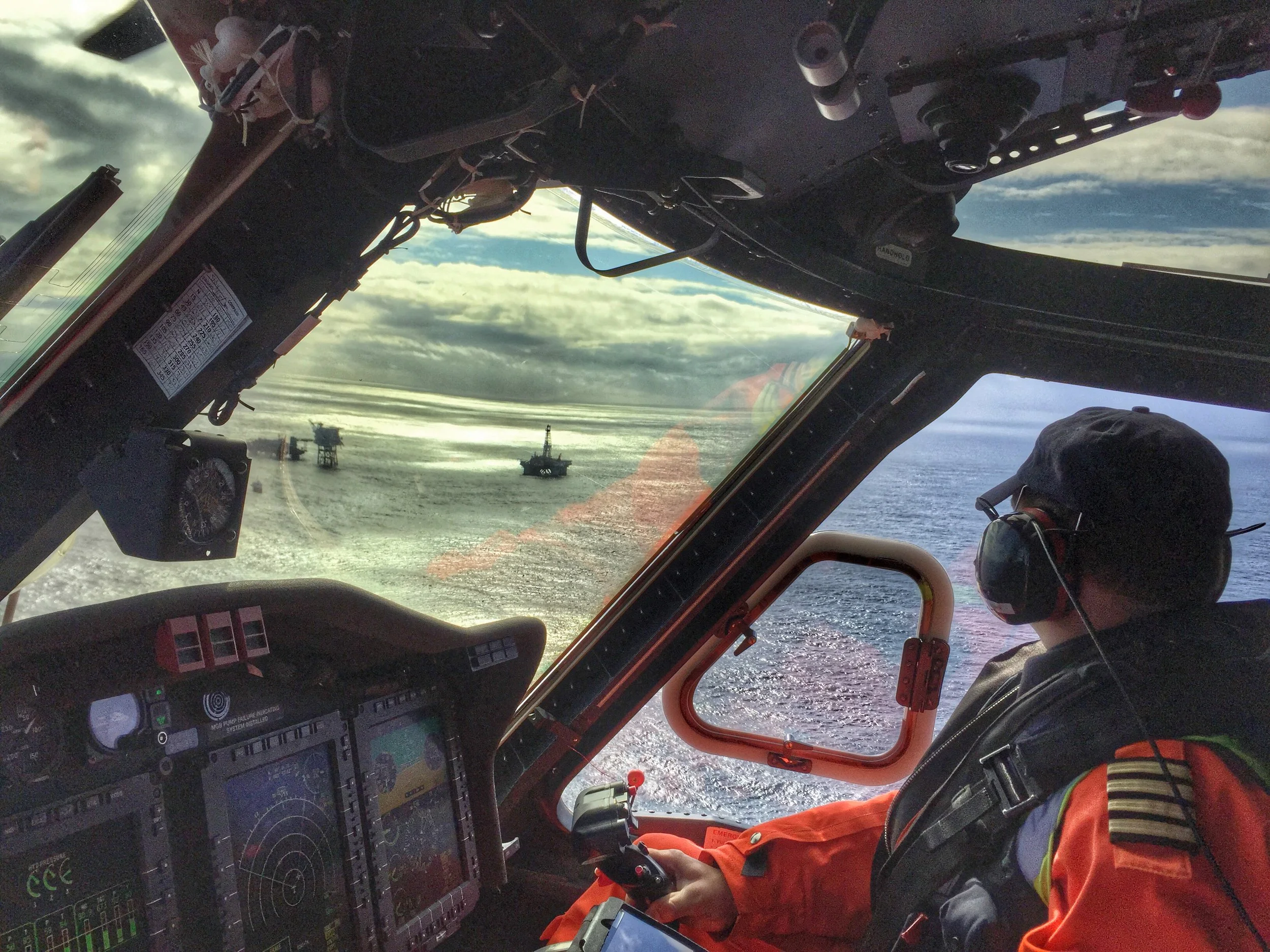
WRONG DECK LANDINGS RESEARCH BRIEFING
“Strengthening our shared understanding of Wrong Deck Landings is key to reducing their occurrence. By bringing together research and operational experience, this publication helps ensure that lessons are applied consistently across our industry to support safer and more effective operations.”
Jim Evans, Operations Director, HeliOffshore
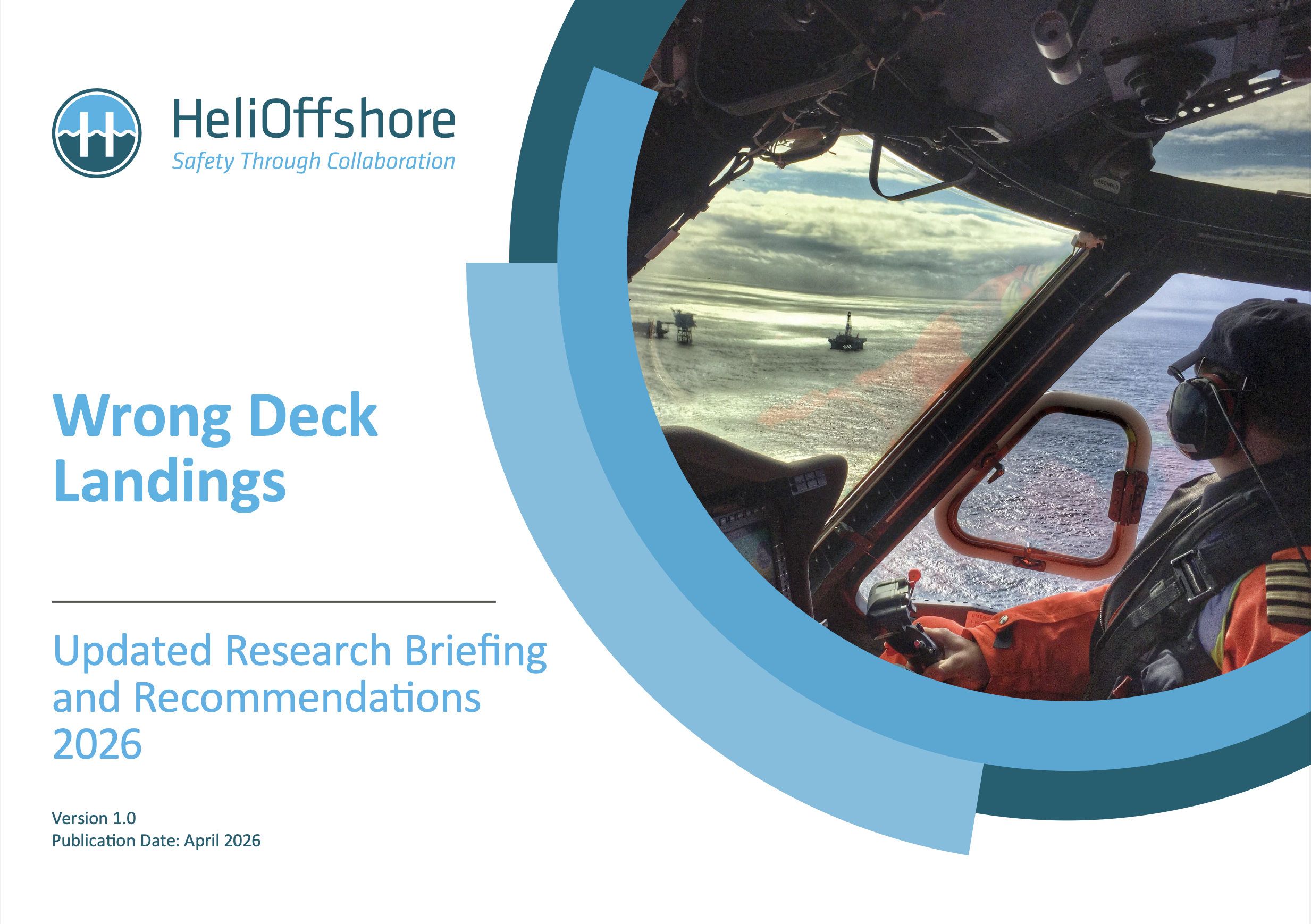
Wrong Deck Landings are a long-standing but underreported safety issue in offshore aviation. They occur when a helicopter unintentionally lands on a different offshore helideck to the one planned. The research highlights that these events, often not formally reported in the past, present a significant safety risk, as the receiving platform will not be prepared to safely manage the landing, with normal safety controls such as fire cover and safety checks absent.
The research offers a clear and accessible summary as to how Wrong Deck Landings occur, and highlights recommendations that helicopter operators and energy companies can implement in their procedures and training.
The paper sets out:
Key causes and common patterns behind Wrong Deck Landings
The role of human factors, including confirmation bias, workload, and crew coordination
Operational and procedural considerations, including Threat and Error Management (TEM), delayed visual selection, and go-around decision making
Training recommendations to improve awareness of WDL risks
Guidance on the use of automation, stabilised approaches, and flight path management to reduce workload and improve monitoring
Recommendations for helideck identification